
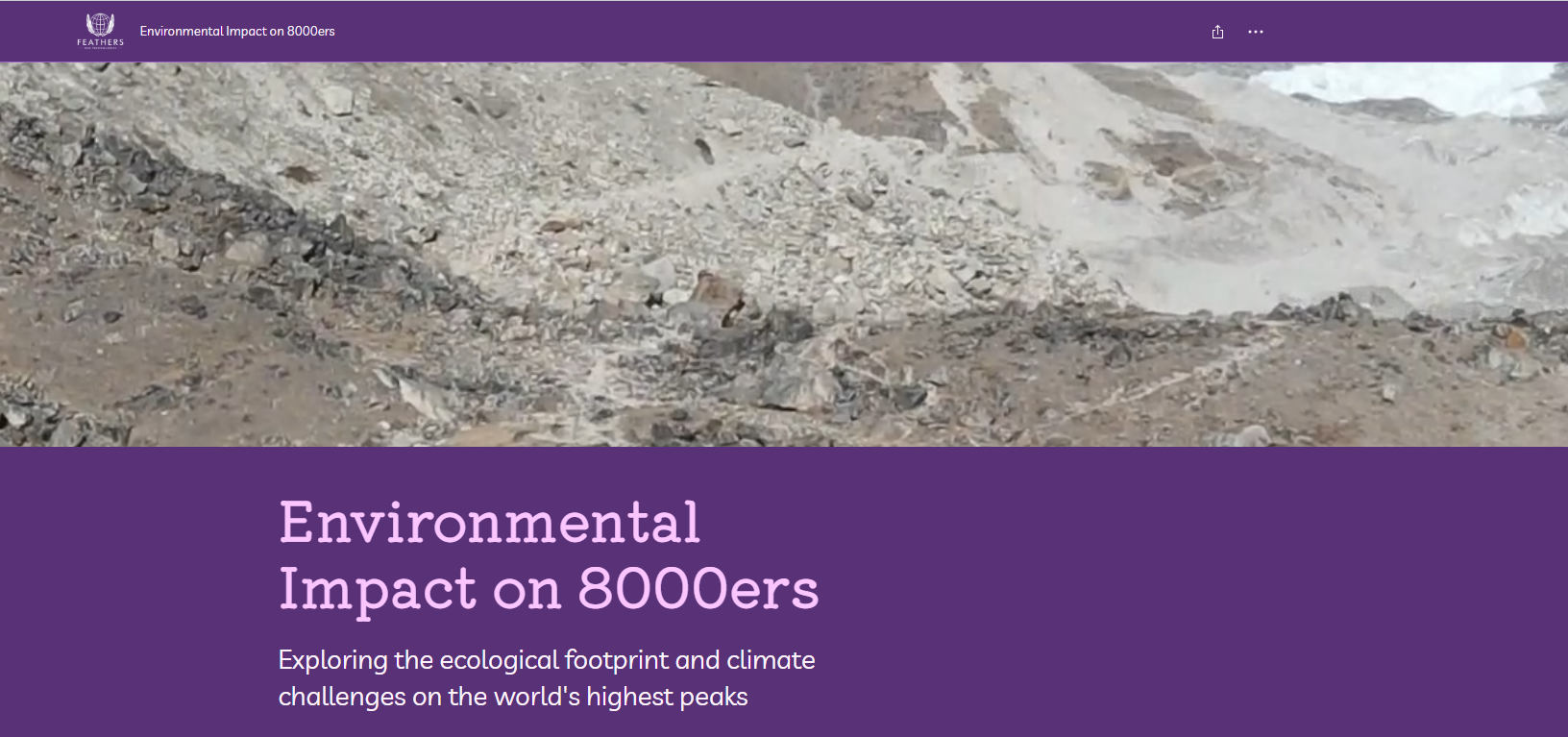
The fourteen 8000-meter peaks—known as the 8000ers—are not only mountaineering marvels but also fragile ecosystems facing unprecedented environmental threats. From melting glaciers to biodiversity loss, these towering giants are at the frontline of climate change and human impact.
Melting Glaciers and Climate Change
Glaciers in the Himalayas, often called the “Third Pole,” are melting at an accelerated rate due to rising temperatures, black carbon deposits, and shifting monsoon patterns. Studies show that Himalayan glaciers are melting 65% faster since the 1990s, with some expected to vanish by 2100[1]. This retreat threatens water security for over 1.3 billion people who rely on glacier-fed rivers like the Ganges and Brahmaputra[1].
The Gangotri Glacier, a key source of the Ganges, is shrinking at a rate of 20 meters per year, highlighting the urgency of climate action[1].
Mountaineering’s Ecological Footprint
Mountaineering, especially on popular peaks like Everest and K2, has left a significant environmental footprint. The influx of climbers has led to:
- Soil erosion and vegetation loss due to trail formation and trampling[2]
- Pollution from abandoned gear, human waste, and non-biodegradable materials[2]
- Disturbance to wildlife, including noise and light pollution in sensitive alpine zones[2]
Biodiversity Under Threat
The Himalayas host over 10,000 plant species and 300 mammal species, many of which are endemic[3]. However, climate change and human encroachment are pushing species like the snow leopard and red panda toward extinction. Forest cover has declined by 20% in the last 50 years, fragmenting habitats and increasing human-wildlife conflict[3].
Warmer temperatures are forcing species to migrate to higher altitudes, reducing prey availability and disrupting ecological balance[3].
Local Communities and Cultural Shifts
Indigenous communities such as the Sherpas in Nepal and Baltis in Pakistan are deeply connected to these mountains. While tourism provides economic opportunities, it also introduces cultural shifts and environmental stress. Climate change affects agriculture, water availability, and traditional livelihoods, making resilience-building essential.
Toward Sustainable Solutions
Protecting the 8000ers requires a multi-pronged approach:
- Stricter expedition regulations to manage waste and climber numbers
- Eco-tourism models that empower local communities and minimize impact
- Community-led conservation like the Snow Leopard Trust in Ladakh[3]
- Climate adaptation strategies for vulnerable species and habitats[3]
Final Thoughts
The 8000ers are more than mountaineering milestones—they are ecological sentinels and cultural icons. Preserving them demands global awareness, responsible tourism, and urgent climate action. As we ascend these peaks, we must also rise to the challenge of protecting them.
References
- Bolch, T., et al. (2019). Status and Change of the Cryosphere in the Extended Hindu Kush Himalaya Region. In: Wester, P., Mishra, A., Mukherji, A., Shrestha, A.B. (eds) The Hindu Kush Himalaya Assessment. Springer.
- UNEP (2008). Environmental Impacts of Mountaineering in the Himalayas. United Nations Environment Programme.
- WWF (2020). Living Himalayas Initiative: Biodiversity and Conservation in the Eastern Himalayas. World Wildlife Fund.